Next-Gen Smartwatches: Blood Glucose Monitoring and Beyond

Introduction
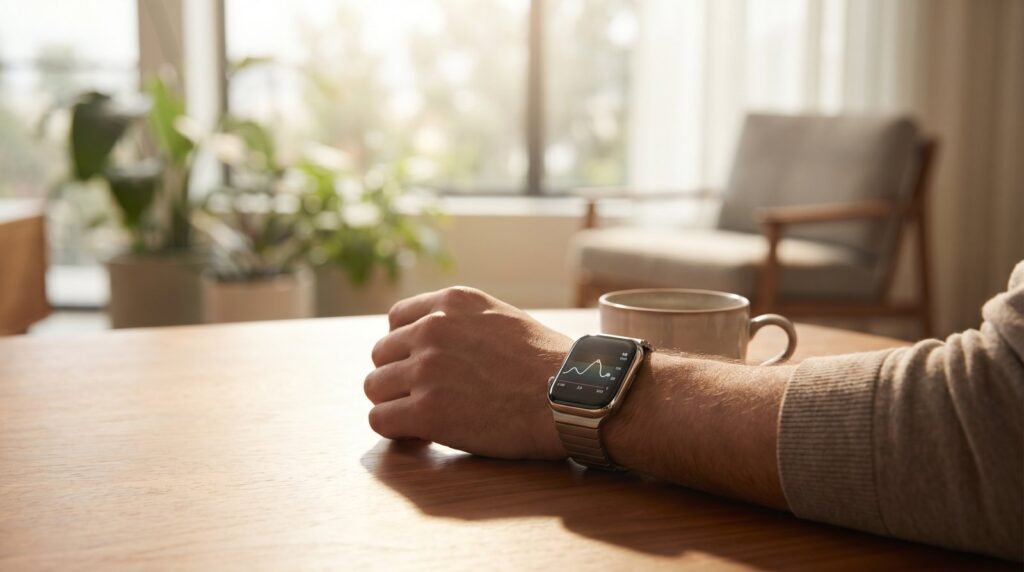
The evolution of wearable technology has been nothing short of revolutionary. What began as simple step counters and notification relays has transformed into sophisticated health and wellness companions strapped to our wrists. As we navigate through 2026, the smartwatch industry is standing on the precipice of its most significant breakthrough yet: non-invasive blood glucose monitoring. This holy grail of health tracking, combined with other advanced biometric sensors, is set to redefine how we manage our personal health, shifting the paradigm from reactive care to proactive wellness. The implications for both individual users and the broader healthcare system are profound, promising a future where chronic disease management is seamless and integrated into our daily lives.
The Quest for Non-Invasive Blood Glucose Monitoring
For years, tech giants like Apple, Samsung, and specialized medical device companies have been locked in a quiet arms race to crack the code of non-invasive blood glucose monitoring. Traditional methods require painful finger pricks or the insertion of continuous glucose monitors (CGMs) under the skin. The promise of a smartwatch that can accurately measure blood sugar levels using optical sensors or radio frequency technology has been tantalizing for the hundreds of millions of people living with diabetes worldwide, as well as for health-conscious individuals looking to optimize their metabolic health.
Recent Breakthroughs in 2025 and 2026
The landscape shifted dramatically in late 2025 when major players began unveiling their proprietary sensor technologies. Utilizing advanced silicon photonics and optical absorption spectroscopy, these next-generation sensors shine specific wavelengths of light under the skin to determine the concentration of glucose in the interstitial fluid. The reflected light is then analyzed to calculate glucose levels. While early iterations faced challenges with accuracy compared to medical-grade CGMs, the integration of powerful AI algorithms has significantly narrowed the gap. In 2026, we are seeing the first wave of consumer devices receiving preliminary regulatory approvals for wellness tracking, marking a monumental milestone in wearable tech. These devices are not yet replacing medical CGMs for insulin dosing, but they offer invaluable trend data that helps users understand how their diet and lifestyle impact their blood sugar.
Beyond Glucose: The Expanding Biometric Suite
While blood glucose monitoring dominates the headlines, it is merely the tip of the iceberg when it comes to the capabilities of next-gen smartwatches. The modern wearable is evolving into a comprehensive diagnostic clinic, packing an astonishing array of sensors into a device no larger than a traditional timepiece.
Advanced Cardiovascular Insights
Current smartwatches already offer ECG capabilities and irregular heart rhythm notifications. However, the latest models are pushing the boundaries further by introducing continuous blood pressure monitoring without the need for a traditional inflatable cuff. By analyzing pulse transit time (PTT) and utilizing micro-fluidic sensors, these devices provide users with real-time insights into their cardiovascular health. This continuous monitoring enables the early detection of hypertension and other potential heart issues, allowing for timely medical intervention. Furthermore, advanced algorithms can now detect signs of arterial stiffness, providing a broader picture of long-term cardiovascular risk.
Hydration and Core Temperature Tracking
Athletes and everyday users alike are benefiting from new sensors capable of monitoring hydration levels and core body temperature. Utilizing galvanic skin response and advanced thermal sensors, smartwatches can now alert users when they are at risk of dehydration or heat exhaustion. This feature has proven invaluable not only for fitness enthusiasts pushing their limits but also for individuals working in extreme environments or managing chronic conditions. The ability to track core temperature continuously also offers new insights into sleep cycles, menstrual tracking, and early fever detection.
Lactate Threshold and Muscle Fatigue
For the serious athlete, 2026 has brought the introduction of non-invasive lactate threshold monitoring. By analyzing sweat composition and utilizing near-infrared spectroscopy, advanced sports watches can estimate muscle fatigue and lactic acid buildup in real-time. This allows runners, cyclists, and triathletes to optimize their training intensity dynamically, ensuring they are pushing hard enough to improve without crossing into overtraining territory.
The Role of Artificial Intelligence in Health Management
Hardware advancements are only half the story. The true power of next-gen smartwatches lies in the sophisticated artificial intelligence that processes the deluge of biometric data. In 2026, on-device AI has become standard, ensuring that sensitive health data is analyzed locally, preserving user privacy while delivering instantaneous insights without relying on a constant cloud connection.
Predictive Health Analytics
Rather than simply presenting raw data, modern smartwatches utilize predictive analytics to forecast potential health events. By establishing a personalized baseline, the AI can detect subtle deviations in heart rate variability, sleep patterns, and respiratory rates. This allows the device to warn users of an impending illness, such as a viral infection, days before physical symptoms manifest, empowering them to take preventive measures. This predictive capability is also being applied to mental health, with algorithms analyzing voice patterns (when permitted) and physiological stress markers to predict and mitigate panic attacks or depressive episodes.
Personalized Wellness Coaching
The integration of generative AI has transformed the smartwatch from a passive tracker into an active wellness coach. Based on real-time data, the device can offer highly personalized recommendations. Whether it’s suggesting a specific breathing exercise to lower elevated stress levels, adjusting a workout plan based on poor sleep quality, or reminding a user to hydrate, the guidance is tailored to the individual’s unique physiological state at any given moment. These AI coaches can even integrate with smart home ecosystems, adjusting room temperature or lighting to optimize sleep based on the user’s current sleep stage.
Privacy, Security, and the Data Dilemma
With smartwatches collecting an unprecedented amount of highly sensitive health data, privacy and security have become paramount concerns. The industry has responded by implementing robust encryption protocols and emphasizing on-device processing. In 2026, users have more granular control over their data than ever before, with the ability to easily opt-in or opt-out of specific data sharing agreements. However, the challenge remains in balancing the need for large datasets to train better AI models with the absolute necessity of protecting individual privacy. The rise of federated learning, where AI models are trained across multiple devices without the raw data ever leaving the watch, is proving to be a promising solution to this dilemma.
Challenges and the Road Ahead
Despite the incredible advancements, the journey of next-gen smartwatches is not without its hurdles. The primary challenge remains regulatory approval. Bridging the gap between a consumer wellness device and a certified medical instrument requires rigorous clinical trials and stringent oversight from bodies like the FDA and EMA. Ensuring absolute accuracy, particularly for critical metrics like blood glucose, is paramount to prevent potentially dangerous medical decisions based on faulty data.
Furthermore, battery life continues to be a bottleneck. Powering an array of continuous, high-fidelity sensors alongside complex AI processing demands significant energy. Manufacturers are exploring innovative solutions, including solid-state batteries and advanced solar harvesting technologies integrated directly into the display glass, to extend usage times without compromising the sleek form factor consumers expect. The goal is to achieve multi-week battery life even with all continuous monitoring features enabled.
Conclusion
The smartwatches of 2026 represent a profound leap forward in personal health technology. By successfully integrating non-invasive blood glucose monitoring and a suite of advanced biometric sensors, these devices are empowering individuals to take unprecedented control over their well-being. As AI continues to evolve and regulatory pathways become clearer, the line between consumer electronics and medical devices will blur entirely. We are entering an era where our watches do much more than tell time; they actively work to extend our lives, optimize our performance, and improve our daily health, proving that the future of personalized medicine is already strapped to our wrists.

 English
 简体中文
简体中文 繁體中文
繁體中文 日本語
日本語
Responses